93oehrle
About Candidate
A better approach is to use a level 2 home charger for overnight top-ups and reserve fast chargers for long journeys. Extreme heat can hasten chemical aging, and severe cold can momentarily shorten range. However, even in severe climates, the degradation curve stays shallow because contemporary thermal management systems actively heat or cool the pack to keep it in an ideal zone. Climate is also a factor. You should avoid storing your EV in harsh conditions if you can’t keep it indoors.
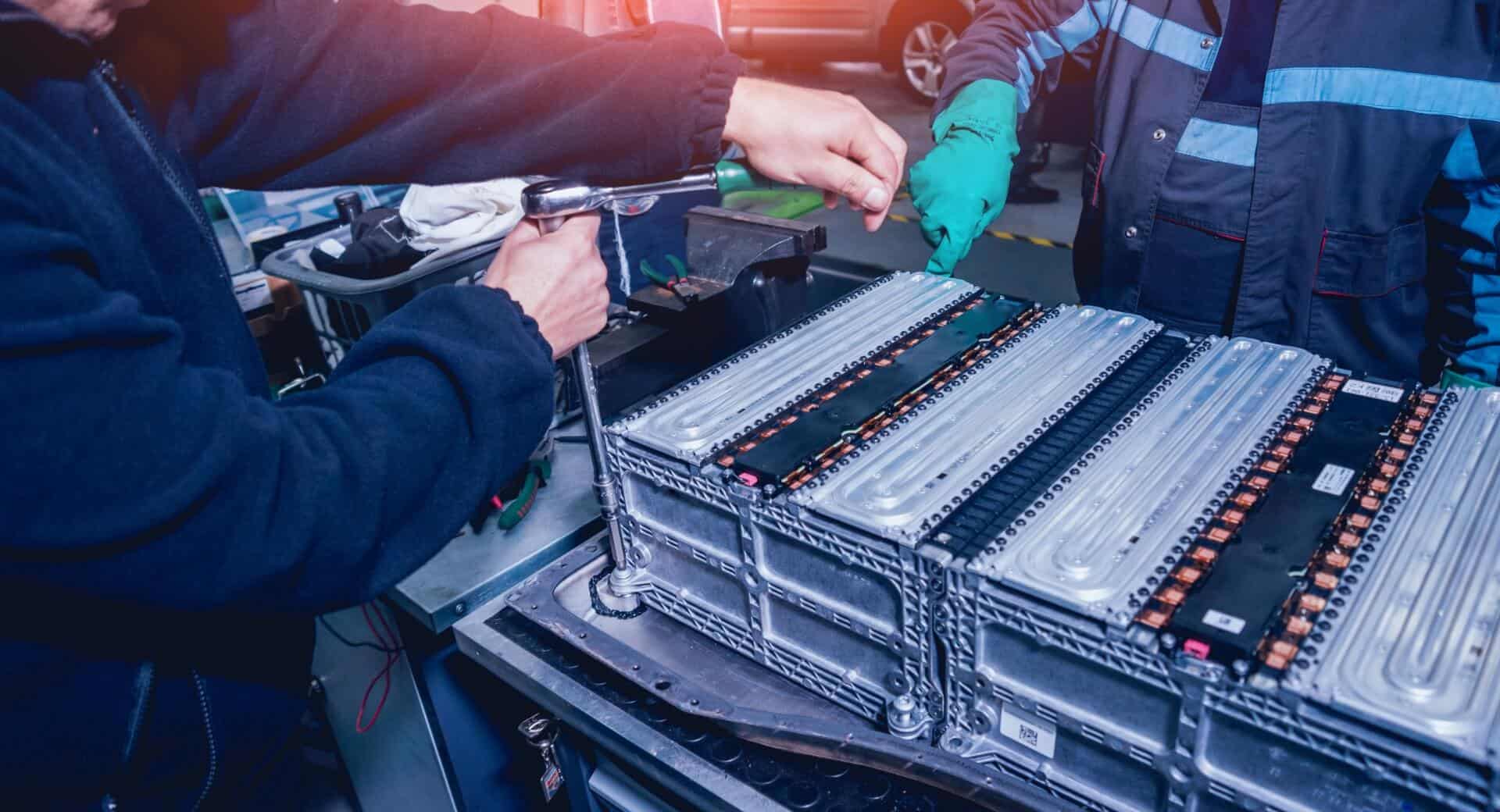 This can result in battery degradation over time and reduce your battery’s lifespan. Avoid using harsh environments. You should never completely drain your battery if you use this type of charging. Longevity is being increased by advancements in battery chemistry, improved thermal management, and intelligent software that controls charging and discharging cycles. Today’s EV batteries are more robust and efficient than those from just five years ago, and this trend doesn’t appear to be slowing down.
It’s also beneficial to know that battery technology continues to develop quickly. Batteries intended to last more than 300,000 miles, or even a million, are already being tested by some manufacturers, suggesting that this may soon become the new standard. It serves as a watchful protector, avoiding the kind of stress that causes deterioration. You don’t experience a significant range loss like you might with an outdated laptop because of this active management.
For example, it will not allow the pack to drop to zero or allow you to charge it to 100% and leave it sitting there for days. The battery management system, a clever piece of software that continuously monitors voltage, temperature, and charge levels, is the key to this longevity. A typical EV still retains between 80 and 85 percent of its initial energy storage after eight years due to this gradual rate of decline. According to studies that monitor thousands of electric cars, https://autopowercare.com/the-real-cost-of-electric-car-battery-replacement-without-warranty/ batteries usually only lose 1.8% to 2.3% of their capacity annually.
According to real-world data, the majority of modern lithium-ion packs maintain the great majority of their initial range even after years of regular use. These packs are designed to operate dependably for well over ten years. After almost ten years, a car with a starting range of 250 miles will have a range of about 200 to 210 miles, which is more than sufficient for daily commuting and road trips. When a pack eventually reaches the end of its vehicle life, it still holds value.
Heat is one of the biggest players here. However, this situation is much less common than people think, and as production increases and technology advances, replacement battery costs have been steadily declining.